Tìm kiếm Blog này

Hiển thị các bài đăng có nhãn How to Exercise. Hiển thị tất cả bài đăng

Thứ Tư, 16 tháng 11, 2016

Strengthen your muscles to reduce diabetes risk

Here's a little incentive to start strengthening your muscles: a Harvard study published Jan. 14, 2014, in PLOS Medicine found that women who strengthen or condition their muscles more than 150 minutes per week have a 40% lower risk of developing type 2 diabetes than women who don't do muscle work.
How does this happen? "Muscle-strengthening and conditioning activities may help to improve insulin sensitivity and glucose uptake by muscle," says Dr. JoAnn Manson, coauthor of the study and professor of medicine at Harvard Medical School. In other words, the more muscle you have, the more glucose (sugar) it will use. Otherwise, too much glucose in your blood can lead to diabetes. And if you really want to cut your risk of diabetes, add aerobic exercise.
When study subjects did at least 150 minutes per week of aerobics as well as at least 60 minutes per week of muscle strengthening, they were about 70% less likely to develop type 2 diabetes as inactive women. You can get the benefits of strength training by doing any activity that places resistance on your muscles, such as yoga, stretching, toning exercises, and working with free weights, weight machines, or resistance bands.

Strong muscles can also help improve your cholesterol levels, decrease body fat, strengthen your bones, maintain a healthy weight, reduce joint pain, and fight mild depression.

How to Create a Type 2 Diabetic Diet Plan - Part5 Try Create your Plate

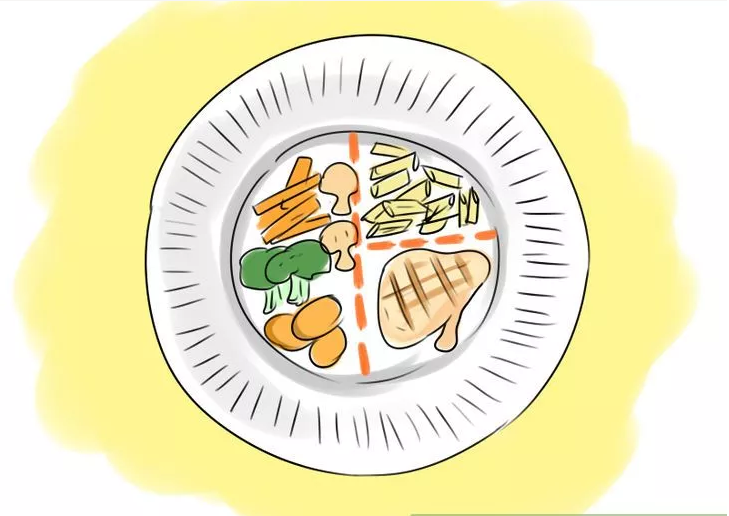
1 Make a meal plan using your plate as the blueprint.
2 Grab a paper dinner plate. Find a non-toxic pen and start to draw serving lines.
·         Draw a line down the center of the plate first, dividing it in 2.
·         Draw a line on 1 side of the plate that divides half of the plate into 2 sections. You should have 1 large section and 2 smaller sections.
3 Load vegetables onto the largest section of the plate. Choose non-starchy vegetables, such as carrots, cauliflower, mushrooms, turnips, broccoli, green beans, beets, onion, cucumber, tomatoes, lettuce, other greens or peppers.
4 Add your whole grain or vegetable starch to 1 of the smaller sections. This could include a serving of bread, pasta, potatoes, sweet potatoes, peas, cereal or crackers.
5 Finish by adding a lean protein to the last section. This can include a 4 to 6 oz. piece of turkey, chicken, lean pork or beef, fish or tofu. Do not include skin or high amounts of oil.
6 Eat fruit, dairy and low-carb snacks as snacks. You may also include a small piece of fruit or 1/2 cup of fruit salad after a meal.
7 Consider choosing all the raw ingredients of a meal using your plate blueprint.Then, cook a recipe that contains these ingredients and place it back on your plate in a mixed form for mealtime.
·         Adjust recipes that do not contain enough produce or contain too much oil or protein according to the "Create your Plate" plan.

·         Use the plate for breakfast, lunch and dinner. Stick to meal times with a few snacks in between. Healthy, low carbohydrate mid-morning or mid-afternoon snacks can curb spikes in blood glucose levels.

How to Create a Type 2 Diabetic Diet Plan - Part4 Healthy Additions

1 Add fish that is rich in Omega-3 to your diet. Salmon, mackerel, tuna, sardines and cod are healthy, lean proteins. Replace your meat with fish at least 2 times per week.
2 Replace trans fats and saturated fats with mono and poly-unsaturated fats.Instead of using animal fats and whole dairy, eat olive, almond, canola, walnut, pecan or avocado oil, as well as the whole food version of eac
3 Do not eat high amounts of any of these foods. They have high caloric content, so they should be used sparingly.
4 Add in low-fat dairy, such as non-fat yogurt, as a snack each day. Studies have shown that it can improve bone mass and help with weight loss if it is part of a healthy diet.

Thứ Ba, 15 tháng 11, 2016

How to Create a Type 2 Diabetic Diet Plan - Part 3 Carb Awareness

1 Track your carbohydrate levels closely. These have the highest effect on your blood glucose level.
·         Consider downloading an application, like MyNetDiary Diabetes Tracker. It has a carb counter that can help you manage meals.
2 Buy healthier versions of the carbohydrates you cook.
·         For example, choose whole grain pasta and bread over white bread and regular pasta. Try to find healthier versions of cereals, sandwich breads, tortillas and more.
·         Compare the packaging and choose based on the amount of sugar and the amount of fiber per serving. High fiber foods help to control blood glucose levels, so aim for carbohydrates with at least 5g or more of fiber per serving.

3 Reduce the amount of carbohydrates you eat. Reduce your serving amount to 1/3 cup.

How to Create a Type 2 Diabetic Diet Plan - Part2 Planning

1 Go to your public library. Look up cook books made for people with diabetes.
2 Subscribe to Diabetes Cooking and/or Diabetes Health. These magazines give seasonal additions to enhance your meal plan.
3 Study the glycemic index. The lower the glycemic index, the lower the effect the food will have on your blood sugar.
·         Go to internet to look at the glycemic index for popular foods. For example, a baked russet potato has a glycemic index of 111 but a serving of carrots has a glycemic index of 35.

·         Go to the website to research the glycemic index of your favorite foods.

How to Create a Type 2 Diabetic Diet Plan - Part1 Doctor Recommendations


A Type 2 Diabetic diet usually involves replacing simple carbohydrates with complex carbohydrates and processed foods with nutrient-rich fruits and vegetables. It is created to balance blood glucose levels and reduce the symptoms of diabetes or the on-set of diabetes for the pre-diabetic. A diabetes diet is sometimes referred to as medical nutrition therapy (MNT). You can create a Type 2 diabetic diet plan by following these guidelines.
1 Ask your doctor what changes in diet are recommended after being diagnosed with Type 2 diabetes. Request pamphlets or sample eating plans.
·         Your doctor may recommend a calorie restriction diet, if you have weight-loss goals. However, your doctor may only recommend that you eat healthier foods and remove refined sugars and carbs, or medical nutrition therapy (MNT).
2 Consider seeking treatment with a dietitian or nutritionist.
·         If you have allergies, a busy schedule or you do a limited amount of cooking, a nutritionist can give you nutrition counseling over several sessions. Implementing a plan may be easier if you can ask advice regularly.

3 Keep a food diary. The process of tracking what you have eaten will make you more aware of the foods that exacerbate your Type 2 diabetes.

Thứ Hai, 14 tháng 11, 2016

How to Exercise - Part 13 Post-Exercise Techniques

1 Do cool down exercises. Cool down exercises, like warm up exercises, are a gentler exercise, meant to ease your body between working hard and being at rest. Cool down by walking for 5-10 minutes and (preferably) stretching. Stretching before exercising is likely to cause injury but stretching after exercise, when the muscles are warm and active, will help improve their tone and flexibility.
2 Get electrolytes and drink water. When you exercise, your muscles use up and your body sweats out a number of essential nutrients. You need to replace these nutrients or you can hurt yourself or become sick. These nutrients, water, sodium, potassium, and sugar, can be consumed in a number of ways. You can drink a sports drink, drink water and eat a banana, or drink water and eat a protein bar, among a variety of other options.
3 Manage the pain. Exercising, especially the kind that pushes your body beyond its comfort level (the good kind!), can cause muscle pain and discomfort. This is normal and a healthy sign of your body getting into shape and becoming stronger. You may want to manage the pain though. This can be done by taking acetaminophen or ibuprofen or using an ice pack.
·         Intense pain with a fast onset is an indication that you have injured yourself. Consult with a doctor or nurse, especially if it is very severe or lasts for more than a few days.

·         Prevent muscle pain to begin with by slowly easing into exercise, both in an individual routine but also over the course of time. Don’t leap straight into a high intensity program but rather build yourself up to that level over the course of several months.

Tips

·         Pair exercise with healthy eating. Not only will this help you maintain a healthy weight, but it will give you more energy and make you feel less sluggish when exercising.
·         Listening to music while you work out can be a great way to keep you entertained and motivated. It’s the Eye of the Tiger!
·         It is impossible to target exercise to lose fat in one particular area of your body. If you wish to reduce belly fat, thighs, etc., you will need to lose fat over your whole body first. This can, however, be paired with strength building and muscle toning in the area you wish to improve.
·         Pull ups help your muscles to grow stronger.
·         Consistency is the most important part of an exercise regime. Don’t expect results in a few days and don’t expect those results to stick around if you stop. Exercise several times a week and keep it up if you want to stay healthy.
·         Walk your dog. Only if you have one. You can buy one but it comes with responsibility.
·         Stretching some key parts of your body before you exercise is deeply important. If you have joint problems you must stretch your ankles, wrists and legs and arms. Always rotate your head a bit to stretch your neck.

Warnings

·         Exercise is meant to make you healthier, not make you look like someone out of a magazine. You should remember this. Not everyone can look like a movie star. Some people will always have a lot of bulk. This can be perfectly normal and healthy. What is important is to ensure that you feel comfortable and energetic and great in your own body.
·         It is important to remember that each type of exercise (aerobic, anaerobic, core muscle, etc.) needs to be used in conjunction with the others. This will work out your entire body, building strength and healthy muscles as well as improving your heart and circulation.
·         It is possible to seriously injure yourself if you overwork your body or strain your muscles. Be careful and consult with a physician or trainer for advice on how to prevent injury. If you do hurt yourself, go to the doctor.
·         Pregnant women can and should exercise. However, remember that your center of balance is off and that your body will have less resources available to devote to recovering. Be realistic and don’t push yourself too hard. You should not exercise if you have certain health conditions, a low placenta, a history of miscarriages, or a weak cervix. 


How to Exercise - Part12 Elderly Routine

1 Devote time to exercising. You will want to set your goal for exercising at least ½ an hour a day. Slowly, over time, you should draw this out to 1 hour. This time period, however, can be broken up into sections and spread over the course of the day, however, those sections should be no less than 10 minutes. When you begin, exercise at least 2 days a week. Over time you should stretch this out to up to 5 days a week.
2 Walk. Walking is the best thing you can do for improving your health. As discussed above, a study found that a mixture of intense and relaxed walking in senior citizens decreased the likelihood of certain diseases by 20%. You can walk with your friends, family members, or by yourself. If you want to walk in the comfort of indoors, you can walk around the inside of your apartment building or you can walk the inner corridor of the local mall. You can also walk outside if you prefer.
  • Try to walk for at least half an hour a day and go at a pace that gets your heart rate up. If you do not push your body at least a little, you will not gain nearly as much from the exercise.
3 Do balance exercises. As we age, we tend to lose a lot of our balance. This is normal. However, you will want to work on your balance to help ensure that you can move around without hurting yourself. Do balance exercises to protect yourself and prevent injury.
  • A good, basic balance exercise is to try standing on one leg. Make sure to do both legs in turn and to also have a chair nearby to hold on to if necessary to prevent falling.
4 Do flexibility exercises. Muscles lose their elasticity over time, which can make it difficult for you to move around or get up if you fall. Do flexibility exercises like stretches to maintain your muscles and keep you safe and independent.

5 Do strength exercises. Lift small, 2lb weights (more if you can). This will help you maintain the strength in your hands and arms, allowing you greater independence for longer.