Tìm kiếm Blog này

Hiển thị các bài đăng có nhãn 3 Methods to Count Carbohydrates. Hiển thị tất cả bài đăng

Thứ Tư, 16 tháng 11, 2016

How to Create a Type 2 Diabetic Diet Plan - Part5 Try Create your Plate

1 Make a meal plan using your plate as the blueprint.
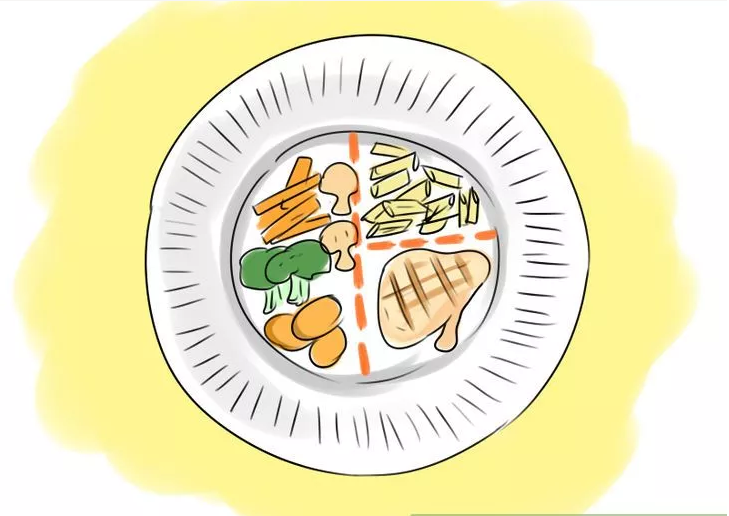
2 Grab a paper dinner plate. Find a non-toxic pen and start to draw serving lines.
·         Draw a line down the center of the plate first, dividing it in 2.
·         Draw a line on 1 side of the plate that divides half of the plate into 2 sections. You should have 1 large section and 2 smaller sections.
3 Load vegetables onto the largest section of the plate. Choose non-starchy vegetables, such as carrots, cauliflower, mushrooms, turnips, broccoli, green beans, beets, onion, cucumber, tomatoes, lettuce, other greens or peppers.
4 Add your whole grain or vegetable starch to 1 of the smaller sections. This could include a serving of bread, pasta, potatoes, sweet potatoes, peas, cereal or crackers.
5 Finish by adding a lean protein to the last section. This can include a 4 to 6 oz. piece of turkey, chicken, lean pork or beef, fish or tofu. Do not include skin or high amounts of oil.
6 Eat fruit, dairy and low-carb snacks as snacks. You may also include a small piece of fruit or 1/2 cup of fruit salad after a meal.
7 Consider choosing all the raw ingredients of a meal using your plate blueprint.Then, cook a recipe that contains these ingredients and place it back on your plate in a mixed form for mealtime.
·         Adjust recipes that do not contain enough produce or contain too much oil or protein according to the "Create your Plate" plan.

·         Use the plate for breakfast, lunch and dinner. Stick to meal times with a few snacks in between. Healthy, low carbohydrate mid-morning or mid-afternoon snacks can curb spikes in blood glucose levels.

How to Create a Type 2 Diabetic Diet Plan - Part4 Healthy Additions

1 Add fish that is rich in Omega-3 to your diet. Salmon, mackerel, tuna, sardines and cod are healthy, lean proteins. Replace your meat with fish at least 2 times per week.
2 Replace trans fats and saturated fats with mono and poly-unsaturated fats.Instead of using animal fats and whole dairy, eat olive, almond, canola, walnut, pecan or avocado oil, as well as the whole food version of eac
3 Do not eat high amounts of any of these foods. They have high caloric content, so they should be used sparingly.
4 Add in low-fat dairy, such as non-fat yogurt, as a snack each day. Studies have shown that it can improve bone mass and help with weight loss if it is part of a healthy diet.

Thứ Ba, 15 tháng 11, 2016

How to Create a Type 2 Diabetic Diet Plan - Part 3 Carb Awareness

1 Track your carbohydrate levels closely. These have the highest effect on your blood glucose level.
·         Consider downloading an application, like MyNetDiary Diabetes Tracker. It has a carb counter that can help you manage meals.
2 Buy healthier versions of the carbohydrates you cook.
·         For example, choose whole grain pasta and bread over white bread and regular pasta. Try to find healthier versions of cereals, sandwich breads, tortillas and more.
·         Compare the packaging and choose based on the amount of sugar and the amount of fiber per serving. High fiber foods help to control blood glucose levels, so aim for carbohydrates with at least 5g or more of fiber per serving.

3 Reduce the amount of carbohydrates you eat. Reduce your serving amount to 1/3 cup.

How to Create a Type 2 Diabetic Diet Plan - Part2 Planning

1 Go to your public library. Look up cook books made for people with diabetes.
2 Subscribe to Diabetes Cooking and/or Diabetes Health. These magazines give seasonal additions to enhance your meal plan.
3 Study the glycemic index. The lower the glycemic index, the lower the effect the food will have on your blood sugar.
·         Go to internet to look at the glycemic index for popular foods. For example, a baked russet potato has a glycemic index of 111 but a serving of carrots has a glycemic index of 35.

·         Go to the website to research the glycemic index of your favorite foods.

How to Create a Type 2 Diabetic Diet Plan - Part1 Doctor Recommendations


A Type 2 Diabetic diet usually involves replacing simple carbohydrates with complex carbohydrates and processed foods with nutrient-rich fruits and vegetables. It is created to balance blood glucose levels and reduce the symptoms of diabetes or the on-set of diabetes for the pre-diabetic. A diabetes diet is sometimes referred to as medical nutrition therapy (MNT). You can create a Type 2 diabetic diet plan by following these guidelines.
1 Ask your doctor what changes in diet are recommended after being diagnosed with Type 2 diabetes. Request pamphlets or sample eating plans.
·         Your doctor may recommend a calorie restriction diet, if you have weight-loss goals. However, your doctor may only recommend that you eat healthier foods and remove refined sugars and carbs, or medical nutrition therapy (MNT).
2 Consider seeking treatment with a dietitian or nutritionist.
·         If you have allergies, a busy schedule or you do a limited amount of cooking, a nutritionist can give you nutrition counseling over several sessions. Implementing a plan may be easier if you can ask advice regularly.

3 Keep a food diary. The process of tracking what you have eaten will make you more aware of the foods that exacerbate your Type 2 diabetes.

Thứ Ba, 8 tháng 11, 2016

How to Restore Glycogen - Part3 Restoring Glycogen Due to Low Carbohydrate Diets

1 Be cautious with low carbohydrate diets. Talk to your doctor to be sure this type of weight loss plan is safe for you.
·         Understand the risks. To safely pursue a highly restricted carbohydrate diet, which usually involves consuming less than 20 grams per day of carbohydrates, you must factor in your level of activity.
·         The initial period of a low carbohydrate diet significantly restricts the amount of carbohydrates a person is to consume. This helps your body to tap into stored glycogen as an aid in losing weight.
2 Limit the time you restrict your carbohydrate intake. Ask your doctor about safe time limits specific to your body type, level of activity, age, and existing medical conditions.
·         Limiting the highly restricted carbohydrate intake for 10 to 14 days allows your body to access the energy it needs while exercising, using blood glucose and stored glycogen.
·         Resuming a higher carbohydrate intake at that time helps your body to restore the glycogen used.
3 Consider your exercise intensity. Your body pulls the energy it needs from the glucose in your blood, then pulls from glycogen reserves stored in your muscle and liver. Frequent and intense exercise depletes those stores.
·         The carbohydrates in your diet restore your glycogen.
·         By extending the highly restricted part of the low carbohydrate diet beyond 2 weeks, you are preventing your body from accessing the natural substances, meaning carbohydrates, needed to restore your glycogen.
4 Know what to expect. The most common result is feeling tired or weak, and having episodes of hypoglycemia.
·         You have depleted most of your glycogen stores and you are not putting very much back into your bloodstream. This results in less than enough energy to function normally and problems pursuing intense exercise.
5 Resume a higher carbohydrate content in your diet. After the initial 10 to 14 days of the low carbohydrate diet, move to a phase that allows for more carbs to be consumed, which allows your body to restore the glycogen.
6 Exercise moderately. If you are trying to lose weight, incorporating routine exercise is a great step to take.
·         Participate in moderate aerobic activity that lasts for more than 20 minutes. This helps you to lose weight, use enough energy to tap into your reserves, but avoid depleting your glycogen stores.
Video
Tips
·         Caffeine is a stimulant that affects people in different ways. Talk to your doctor about consuming caffeine, especially if you have any medical condition, or if you are pregnant.
·         Glycogen stores are depleted differently depending on the forms and intensity of exercise. Know the effects of the types of exercise that suits you.
·         Exercising is a healthy part of managing diabetes. Some diabetics are more sensitive to even small changes in their routine. Talk to your doctor about any changes you anticipate in your exercise efforts.
·         Drink plenty of water for hydration, even if you are drinking sports beverages.

·         Talk to your doctor before beginning a weight loss program, whether you are diabetic or not. Your doctor can advise you on the best approach to weight loss for your body type, current weight, age, and any medical conditions you may have.

How to Restore Glycogen - Part2 Understanding Glycogen Stores in Diabetes

1 Consider the function of insulin and glucagon. Insulin and glucagon are hormones made by the pancreas.
·         Insulin works to move glucose into the cells of the body for energy, remove excess glucose from the blood stream, and convert the excess glucose to glycogen.
·         Glycogen is stored in muscle and liver tissue for later use, when more glucose is needed in the blood.
2 Know what glucagon does. When the blood level of glucose drops, the body signals the pancreas to release glucagon.
·         Glucagon changes the stored glycogen back into usable glucose.
·         The glucose pulled from the glycogen stores is needed to provide the energy we need to function each day.
3 Be familiar with changes caused by diabetes. In people that have diabetes, the pancreas does not function normally, therefore hormones like insulin and glucagon are not adequately produced or released in the body.
·         Inadequate levels of insulin and glucagon means that the glucose in the blood is not properly pulled into the cells of tissues to be used as energy, the excess glucose in the blood is not adequately removed to be stored as glycogen, and what is stored as glycogen cannot be pulled back into the blood when it is needed for energy.
·         The ability to utilize glucose in the blood, store it as glycogen, and then access it again, is impaired. Therefore, diabetics are at greater risk of developing hypoglycemia.
4 Recognize the symptoms of hypoglycemia. While anyone can experience hypoglycemia, patients that suffer with diabetes are more susceptible to episodes of abnormally low levels of glucose in the blood, otherwise known as hypoglycemia.
·         Common symptoms of hypoglycemia include the following:
·         Feeling hungry
·         Feeling shaky or nervous
·         Feeling dizzy or light-headed
·         Sweating
·         Sleepiness
·         Confusion and difficulty speaking
·         Feelings of anxiety
·         Feeling weak
5 Know the risks. A severe and untreated hypoglycemic episode can lead to seizures, coma, and even death.
6 Use insulin or other medications for diabetes. Since the pancreas does not function normally, oral and injectable medications can help.
·         Medications work to provide the balance needed to help the body properly perform both glycogenesis and glycolysis.
·         While the available medications are saving lives every day, they are not perfect. Patients with diabetes are at risk of developing hypoglycemic events, even by simple changes in their daily routine.
·         In some cases, the hypoglycemic events can be severe and even life-threatening.
7 Stick to your eating and exercise regimens. Even the smallest change can cause unwanted results. Talk to your doctor before making any changes in your food choices and exercise routine.
·         If you are diabetic, altering the foods you eat, the amount of foods and beverages you consume, and changes in your level of activity, can result in complications. For example, exercising, which is an important part of diabetic health, can create problems.
·         During exercise, more energy, or glucose, is needed, so your body will try to pull from your glycogen stores. Impaired glucagon functioning causes less than adequate amounts of glycogen to be pulled from the stores in muscle and liver tissue.
·         This can mean a delayed, and possibly severe, episode of hypoglycemia. Even several hours after exercise, the body will continue to work to restore the glycogen used during exercise. The body will pull the glucose from the blood supply, triggering a hypoglycemic event.
8 Treat an episode of hypoglycemia. Hypoglycemia comes on fairly quickly in someone that is diabetic. Any signs of dizziness, fatigue, confusion, difficulty comprehending a statement, and having trouble responding, are warning signs.
·         The initial steps to treating a mild hypoglycemic episode involve consuming glucose or simple carbohydrates.
·         Help the diabetic person to consume 15 to 20 grams of glucose, as gel or tablets, or as simple carbohydrates. Some food items that can be used include raisins, orange juice, sodas with sugar, honey, and jellybeans.
·         As the blood sugar returns to normal, and enough glucose is getting to the brain, the person will become more alert. Continue to provide foods and beverages until the person recovers.
9 Prepare a kit. People with diabetes may want to have a small kit prepared that contains glucose gel or tablets, possibly injectable glucagon, plus simple directions for someone else to follow.
·         The diabetic person may quickly become disoriented, confused, and unable to treat themselves.
·         Have glucagon available. If you are diabetic, talk to your doctor about having injectable glucagon available to help manage any severe episodes of hypoglycemia.
·         The glucagon injection works like natural glucagon, and helps to restore the balance of glucose in your blood.
10 Consider educating friends and family. A diabetic person having a severe hypoglycemic episode will not be able to administer the injection.
·         Friends and family members, educated about hypoglycemia, will know how and when to proceed with an injection of glucagon.
·         Invite your family or friends to an appointment with your doctor. The risk of not treating a severe episode of hypoglycemia goes beyond any risk associated with the injection.
·         Your doctor can help to reassure your caregivers of the importance of treating a hypoglycemic episode.
Your doctor is your best resource and guide. He or she can help you decide if your condition warrants having a glucagon injection available to treat potentially serious hypoglycemic events. Glucagon injections require a prescription.