Tìm kiếm Blog này

Hiển thị các bài đăng có nhãn 2 method to Gain Weight If You Have Diabetes. Hiển thị tất cả bài đăng

Thứ Tư, 7 tháng 12, 2016

How to Prevent and Treat Diabetes with Natural Medicine - Method4 Using Herbs and Supplements

1 Ask your doctor before adding herbs. Many herbs have not been tested for safety during pregnancy, so if you are pregnant or dealing with gestational diabetes, make certain you speak to your physician before adding any herbs or supplements. Also, even though these herbs and supplements are natural, they CAN interact with various medications.
·         You can also ask your pharmacist about drug-herb/supplement interactions.
2 Buy quality herbs and supplements. Make sure you buy national brands of herbs and supplements and that the companies follow Good Manufacturing Practices (GMP). For herbs, make certain that the suppliers use pesticide and herbicide free organically and sustainably grown herbs.
3 Try bitter melon. Bitter melon (Momordica charantia) is often recommended for diabetes control. However, bitter melon has been associated with miscarriages and induced abortions in animals, so it should be avoided if you are pregnant or want to get pregnant. Bitter melon has been shown to improve blood glucose levels, increase the secretion of insulin and decrease insulin resistance.
4 Consider Gurmar. Gurmar, also known as Gymnema sylvestre has been used for centuries in Ayurvedic medicine and has been shown to improve the control of blood sugar. Gymnema is generally taken in doses of 200 mg twice a day. Gymnema appears to be safe in pregnancy, but speak to your physician before using.
5 Look into prickly-pear cactus. Prickly-pear cactus or nopal has been shown to improve blood sugar control. Prickly-pear cactus has not been tested in pregnancy, but has been used for centuries as food, suggesting but not proving that it is safe.
6 Add cinnamon. Cinnamon has been used to help control blood sugar levels and is considered safe for pregnant women in the amounts used in foods. This corresponds to approximately 1 gm (1000 mg) every day. 500 mg of cinnamon taken twice a day has been shown to improve A1c levels (and the levels of blood fats). A1c is used to determine average glucose levels for the previous 3 months. Lowered A1c levels reflect improved diabetic control.
7 Take vanadium and chromium. Vanadium and chromium are trace minerals and have been shown to be essential for control of blood sugar levels in diabetes. They may also function as antioxidants. Keep in mind that these minerals are only needed in small amounts.
·         Vanadium should be taken as vanadyl sulfate at 50-100 mcg per day.

·         Chromium should be taken as chromium picolinate at a dose of 400mcg per day. 

How to Prevent and Treat Diabetes with Natural Medicine - Method 3 Using Exercise

1 Get regular cardiovascular exercise. Exercise can help you control your blood sugar, so it is essential for diabetes prevention and treatment. Increased exercise makes your cells more sensitive and responsive to the insulin your body produces. Exercise can also lower your blood pressure and strengthen your heart, which is relevant because high blood pressure and heart disease are often associated with diabetes.
·         Try to get at least thirty minutes of moderate exercise every day. When you are just starting out, low-intensity exercises such as walking are helpful as well.
2 Add strength training. Strength training will help you to improve your muscle strength and efficiency. The more muscle that you have, the more calories you will burn and the easier it will be to maintain a healthy weight, which is a crucial part of diabetes prevention.
·         Try adding in a couple of strength training sessions per week to your exercise routine to improve your overall fitness level.
3 Consider getting a personal trainer or taking a class. As you progress and get more fit, consider finding a trainer or a class where you can get individualized advice regarding target heart rates and types of exercise. To begin, walking is the easiest way to start, but you can also go swimming or join a yoga class.
4 Change up your routine often. People often get bored with exercise routines and end up quitting before they achieve any real results. Therefore, it is a good idea to make your routine as varied as possible.
·         Find things that you enjoy so that you stick with your routine. For example, if you have never been particularly interested in sports, you are not likely to stick with competitive sports.

5 Look for little ways to get more physical activity. You can get more physical activity by looking for opportunities in your daily routine. For example, you can try parking your car at the far end of the parking lot when you go grocery shopping or use the stairs instead of the elevator at work.

Thứ Hai, 5 tháng 12, 2016

How to Prevent and Treat Diabetes with Natural Medicine - Method 2 Achieving Target Blood Glucose Levels

1 Check your blood glucose levels often. Your physician will make you aware of your “target” blood glucose levels, but you may need to test these blood levels daily. These can be tested at home using a home glucose monitor with test strips. Depending on the monitor, you may need to get a pinprick of blood from your fingertips or from your forearm. These pinpricks are not too painful for most people, but they can be painful for some people. Target blood glucose levels are typically:
·         morning (or fasting) levels of less than 100mg/dL (< 5.3 mmol/L),
·         1 hour after meals: <140 mg/dL (<7.8 mmol/L)
·         2 hours after meals: < 115mg/dL (< 6.4 mmol/L)
2 Use your blood glucose levels to help you change what and how much you eat.Your blood glucose level test results can guide you into changing the types and amounts of foods you eat to lower the levels of sugar in the blood.
·         If your blood sugar is high, you may need more insulin and you may need to look at what you are eating and decrease the amounts of sugars in your diet.
·         If the blood sugar levels remain high and you are on diabetes medications, those may have to be increased.

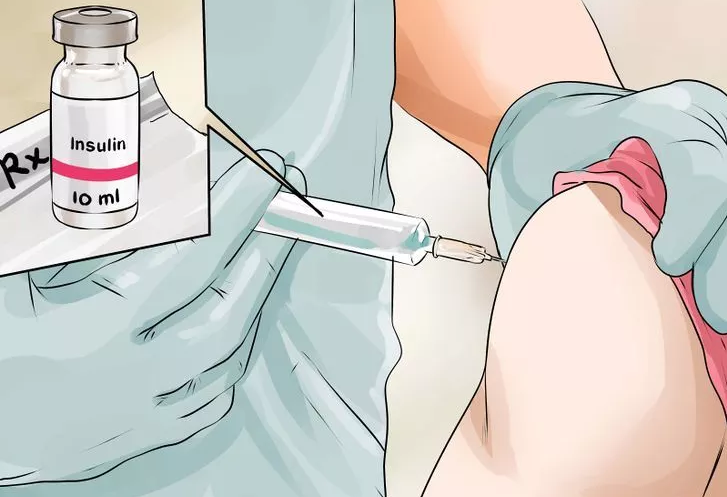
3 Take insulin as directed by your doctor. Insulin is a natural hormone replacement treatment and is a widely used natural treatment for diabetes. It may be necessary to add insulin (by injection) in order to “force” glucose into your cells. Your physician will guide you as to how much insulin to take and how to take it.

Chủ Nhật, 4 tháng 12, 2016

How to Prevent and Treat Diabetes with Natural Medicine - Method1 Using Diet and Nutrition

Diabetes is a condition of chronic hormonal disorders. The main characteristic is high sugar (glucose) in the blood because the cells of the body have become resistant to the action of insulin. Insulin is a hormone made by the pancreas that helps control blood sugar levels. Although it is important to seek medical treatment for diabetes, there are several ways that you can treat and prevent diabetes using natural strategies such as diet modification, herbal supplementation, and exercise.
1 Keep your food as close to its original or natural form as possible. This means that you should try to limit any processed or prepared foods and cook from scratch as much as possible. Avoid boxed, canned, and “ready to eat” foods as much as possible.
·         Start shopping in the bulk section of your grocery store to get a better price for beans, rice, and pasta.
·         Buy fresh vegetables as much as possible. Frozen vegetables are fine, but fresh, organic, in-season vegetables are the best choice.
·         If you are pressed for time, try using a crock pot to cook your meals.
2 Make sure that 90-95% of your carbohydrates are complex carbohydrates.Complex carbohydrates are made up of individual sugar molecules that are strung together in long, complicated and often branched chains.
·         Complex carbohydrates are found in whole, unprocessed foods. Examples of complex carbohydrates include whole grain bread, brown rice, buckwheat, millet, quinoa, oats, starchy vegetables such as sweet potatoes, corn, pumpkin and squash, beans, peas, lentils, nuts and seeds.
·         Avoid simple carbohydrates. Simple carbohydrates include added sugars like glucose, sucrose (table sugar), and fructose (most often added as high fructose corn syrup or HFCS). Consuming HFCS has been associated with increased risk of cardiovascular disease and obesity.
3 Increase the amount of water you drink. Water helps flush out naturally produced toxins and helps maintain mineral (electrolyte) balance. Aim for about eight 8 ounce glasses of water per day. Talk to your doctor to determine if you have any special fluid restrictions or needs that you should consider.
·         Skip sugary beverages. Sugar by itself does not cause diabetes, but ingesting more sugar-filled beverages is linked to an increased risk of Type 2 diabetes.
·         Try drinking water, unsweetened sparkling water, or unsweetened iced tea instead of sugary soda.
4 Read labels on the foods you purchase and eat. Reading labels can help you determine the amount of sugars in food. Just keep in mind that manufacturers are not required to list added sugars. That is why it is best to choose whole, unprocessed foods as often as possible.
·         Avoid any food that includes terms like “enriched” or “refined.”
·         Unprocessed foods do contain some sugar, but it is not found in high levels and it is usually in the form of complex carbohydrates.
5 Watch your serving sizes of complex carbohydrates. Serving sizes vary depending on the type of food and your needs will depend on your weight and other factors such as age, sex, and activity level. A general recommendation is to have 45-60 grams of complex carbohydrates at every meal.
·         Eat most of your complex carbohydrates at breakfast and lunch and only have a small portion of complex carbohydrates for dinner.
6 Add flaxseeds to get more fiber in your diet. Getting enough fiber is essential to preventing and treating diabetes. Flaxseeds are great sources of fiber and they are an excellent source of the essential omega-3 fatty acids, EPA and DHA.
·         In addition to providing essential nutrients that may help to treat and prevent diabetes, flaxseed and the fiber they contain can help with bowel movements and can help you decrease blood cholesterol as well. Flaxseeds are also associated with decreased risk of colon, breast and prostate cancer, and they may also help with menopause symptoms.
·         Try to include a tablespoon of ground flaxseeds at every meal or 3 tablespoons of flaxseed a day.
·         Use a coffee grinder to grind your own flaxseeds or keep pre-frozen ground seeds in your freezer.
7 Eat more fish and skinless poultry. Getting enough quality protein is an important component of diabetes prevention. Make sure that any poultry you eat is skinless to reduce the amount of unhealthy animal fats you consume and eat a couple of servings of wild-caught fish each week.
·         Wild-caught fish such as salmon, cod, haddock and tuna are good sources of omega-3 fatty acids, which are essential to good health.
8 Eat more fruits and vegetables. Eat plenty of non-root or starchy vegetables such as broccoli, leafy greens, cauliflower, and beans. These types of vegetables are low in calories, high in fiber, and nutrient dense. However, when you eat starchy vegetables and root vegetables, you will need to take the carbohydrate level into account.
·         You can also eat fruit. Being diagnosed with Type 2 diabetes does not mean you can’t eat ANY sugars. It is just important to control the amount of sugars that you do eat.
9 Keep a diet diary for at least a month. The diet diary should record everything you eat and any changes in how you feel. Make sure to record the quality of your sleep and make notes about any changes that may be due to the foods you are eating.
·         Keeping a diet diary can also help you to keep track of what and how much you eat during the day. This may make you more aware of what and how much you are eating and help you to cut down on certain foods if necessary.
·         For example, if you find that every time you eat a particular food, you get very gassy and have some bloating, you can avoid that food in the future.
·         Take note of potential food sensitivities. Food sensitivities may make you more prone to obesity and that is a risk factor for diabetes. If you suspect that you are sensitive to some food, eliminate that food for at least two weeks.
·         The most common food sensitivities are to gluten (a protein found in wheat products), dairy products, milk/ lactose, tree nuts, shellfish, eggs and soy.
10 Get your Vitamin D levels checked if you are pregnant. Low Vitamin D levels may be associated with an increased risk of gestational diabetes. Have your Vitamin D levels checked and take supplementation if you are deficient. 1000-2000 IU/day of Vitamin D have been safely used in pregnant women.

·         During sunny days, spend 10-15 minutes in the afternoon sun with some skin on your arms and legs exposed.

Thứ Tư, 16 tháng 11, 2016

Glycemic index and glycemic load for 100+ foods


·         The glycemic index is a value assigned to foods based on how slowly or how quickly those foods cause increases in blood glucose levels. Also known as "blood sugar," blood glucose levels above normal are toxic and can cause blindness, kidney failure, or increase cardiovascular risk. Foods low on the glycemic index (GI) scale tend to release glucose slowly and steadily. Foods high on the glycemic index release glucose rapidly. Low GI foods tend to foster weight loss, while foods high on the GI scale help with energy recovery after exercise, or to offset hypo- (or insufficient) glycemia. Long-distance runners would tend to favor foods high on the glycemic index, while people with pre- or full-blown diabetes would need to concentrate on low GI foods. Why? People with diabetes can't produce sufficient quantities of insulin—which helps process blood sugar—which means they are likely to have an excess of blood glucose. The slow and steady release of glucose in low-glycemic foods is helpful in keeping blood glucose under control.
·         But the glycemic index tells only part of the story. What it doesn't tell you is how high your blood sugar could go when you actually eat the food, which is partly determined by how much carbohydrate is in an individual serving. To understand a food's complete effect on blood sugar, you need to know both how quickly the food makes glucose enter the bloodstream, and how much glucose it will deliver. A separate value called glycemic load does that. It gives a more accurate picture of a food's real-life impact on blood sugar. The glycemic load is determined by multiplying the grams of a carbohydrate in a serving by the glycemic index, then dividing by 100. A glycemic load of 10 or below is considered low; 20 or above is considered high. Watermelon, for example, has a high glycemic index (80). But a serving of watermelon has so little carbohydrate (6 grams) that its glycemic load is only 5.
·   To help you understand how the foods you are eating might impact your blood glucose level, here is a listing of the glycemic index and glycemic load, per serving, for more than 100 common foods.
FOOD
Glycemic index (glucose = 100)
Serving size (grams)
Glycemic load per serving
BAKERY PRODUCTS AND BREADS
Banana cake, made with sugar
47
60
14
Banana cake, made without sugar
55
60
12
Sponge cake, plain
46
63
17
Vanilla cake made from packet mix with vanilla frosting (Betty Crocker)
42
111
24
Apple muffin, made with rolled oats and sugar
44
60
13
Apple muffin, made with rolled oats and without sugar
48
60
9
Waffles, Aunt Jemima®
76
35
10
Bagel, white, frozen
72
70
25
Baguette, white, plain
95
30
14
Coarse barley bread, 80% kernels
34
30
7
Hamburger bun
61
30
9
Kaiser roll
73
30
12
Pumpernickel bread
56
30
7
50% cracked wheat kernel bread
58
30
12
White wheat flour bread, average
75
30
11
Wonder® bread, average
73
30
10
Whole wheat bread, average
69
30
9
100% Whole Grain® bread (Natural Ovens)
51
30
7
Pita bread, white
68
30
10
Corn tortilla
52
50
12
Wheat tortilla
30
50
8
BEVERAGES
Coca Cola® (US formula)
63
250 mL
16
Fanta®, orange soft drink
68
250 mL
23
Lucozade®, original (sparkling glucose drink)
95
250 mL
40
Apple juice, unsweetened
41
250 mL
12
Cranberry juice cocktail (Ocean Spray®)
68
250 mL
24
Gatorade, orange flavor (US formula)
89
250 mL
13
Orange juice, unsweetened, average
50
250 mL
12
Tomato juice, canned, no sugar added
38
250 mL
4
BREAKFAST CEREALS AND RELATED PRODUCTS
All-Bran®, average
44
30
9
Coco Pops®, average
77
30
20
Cornflakes®, average
81
30
20
Cream of Wheat®
66
250
17
Cream of Wheat®, Instant
74
250
22
Grape-Nuts®
75
30
16
Muesli, average
56
30
10
Oatmeal, average
55
250
13
Instant oatmeal, average
79
250
21
Puffed wheat cereal
80
30
17
Raisin Bran®
61
30
12
Special K® (US formula)
69
30
14
GRAINS
Pearled barley, average
25
150
11
Sweet corn on the cob
48
60
14
Couscous
65
150
9
Quinoa
53
150
13
White rice, boiled, type non-specified
72
150
29
Quick cooking white basmati
63
150
26
Brown rice, steamed
50
150
16
Parboiled Converted white rice (Uncle Ben's®)
38
150
14
Whole wheat kernels, average
45
50
15
Bulgur, average
47
150
12
COOKIES AND CRACKERS
Graham crackers
74
25
13
Vanilla wafers
77
25
14
Shortbread
64
25
10
Rice cakes, average
82
25
17
Rye crisps, average
64
25
11
Soda crackers
74
25
12
DAIRY PRODUCTS AND ALTERNATIVES
Ice cream, regular, average
62
50
8
Ice cream, premium (Sara Lee®)
38
50
3
Milk, full-fat, average
31
250 mL
4
Milk, skim, average
31
250 mL
4
Reduced-fat yogurt with fruit, average
33
200
11
FRUITS
Apple, average
36
120
5
Banana, raw, average
48
120
11
Dates, dried, average
42
60
18
Grapefruit
25
120
3
Grapes, black
59
120
11
Oranges, raw, average
45
120
5
Peach, average
42
120
5
Peach, canned in light syrup
52
120
9
Pear, raw, average
38
120
4
Pear, canned in pear juice
44
120
5
Prunes, pitted
29
60
10
Raisins
64
60
28
Watermelon
72
120
4
BEANS AND NUTS
Baked beans
40
150
6
Black-eyed peas
50
150
15
Black beans
30
150
7
Chickpeas
10
150
3
Chickpeas, canned in brine
42
150
9
Navy beans, average
39
150
12
Kidney beans, average
34
150
9
Lentils
28
150
5
Soy beans, average
15
150
1
Cashews, salted
22
50
3
Peanuts
13
50
1
PASTA and NOODLES
Fettucini
32
180
15
Macaroni, average
50
180
24
Macaroni and Cheese (Kraft®)
64
180
33
Spaghetti, white, boiled, average
46
180
22
Spaghetti, white, boiled 20 min
58
180
26
Spaghetti, whole-grain, boiled
42
180
17
SNACK FOODS
Corn chips, plain, salted
42
50
11
Fruit Roll-Ups®
99
30
24
M & M's®, peanut
33
30
6
Microwave popcorn, plain, average
65
20
7
Potato chips, average
56
50
12
Pretzels, oven-baked
83
30
16
Snickers Bar®, average
51
60
18
VEGETABLES
Green peas
54
80
4
Carrots, average
39
80
2
Parsnips
52
80
4
Baked russet potato
111
150
33
Boiled white potato, average
82
150
21
Instant mashed potato, average
87
150
17
Sweet potato, average
70
150
22
Yam, average
54
150
20
MISCELLANEOUS
Hummus (chickpea salad dip)
6
30
0
Chicken nuggets, frozen, reheated in microwave oven 5 min
46
100
7
Pizza, plain baked dough, served with parmesan cheese and tomato sauce
80
100
22
Pizza, Super Supreme (Pizza Hut®)
36
100
9
Honey, average
61
25
12
·         The complete list of the glycemic index and glycemic load for more than 1,000 foods can be found in the article "International tables of glycemic index and glycemic load values: 2008" by Fiona S. Atkinson, Kaye Foster-Powell, and Jennie C. Brand-Miller in the December 2008 issue of Diabetes Care, Vol. 31, number 12, pages 2281-2283.