Tìm kiếm Blog này

Hiển thị các bài đăng có nhãn how to treatment of type 2 diabetes. Hiển thị tất cả bài đăng

Thứ Tư, 7 tháng 12, 2016

How to Prevent and Treat Diabetes with Natural Medicine - Method4 Using Herbs and Supplements

1 Ask your doctor before adding herbs. Many herbs have not been tested for safety during pregnancy, so if you are pregnant or dealing with gestational diabetes, make certain you speak to your physician before adding any herbs or supplements. Also, even though these herbs and supplements are natural, they CAN interact with various medications.
·         You can also ask your pharmacist about drug-herb/supplement interactions.
2 Buy quality herbs and supplements. Make sure you buy national brands of herbs and supplements and that the companies follow Good Manufacturing Practices (GMP). For herbs, make certain that the suppliers use pesticide and herbicide free organically and sustainably grown herbs.
3 Try bitter melon. Bitter melon (Momordica charantia) is often recommended for diabetes control. However, bitter melon has been associated with miscarriages and induced abortions in animals, so it should be avoided if you are pregnant or want to get pregnant. Bitter melon has been shown to improve blood glucose levels, increase the secretion of insulin and decrease insulin resistance.
4 Consider Gurmar. Gurmar, also known as Gymnema sylvestre has been used for centuries in Ayurvedic medicine and has been shown to improve the control of blood sugar. Gymnema is generally taken in doses of 200 mg twice a day. Gymnema appears to be safe in pregnancy, but speak to your physician before using.
5 Look into prickly-pear cactus. Prickly-pear cactus or nopal has been shown to improve blood sugar control. Prickly-pear cactus has not been tested in pregnancy, but has been used for centuries as food, suggesting but not proving that it is safe.
6 Add cinnamon. Cinnamon has been used to help control blood sugar levels and is considered safe for pregnant women in the amounts used in foods. This corresponds to approximately 1 gm (1000 mg) every day. 500 mg of cinnamon taken twice a day has been shown to improve A1c levels (and the levels of blood fats). A1c is used to determine average glucose levels for the previous 3 months. Lowered A1c levels reflect improved diabetic control.
7 Take vanadium and chromium. Vanadium and chromium are trace minerals and have been shown to be essential for control of blood sugar levels in diabetes. They may also function as antioxidants. Keep in mind that these minerals are only needed in small amounts.
·         Vanadium should be taken as vanadyl sulfate at 50-100 mcg per day.

·         Chromium should be taken as chromium picolinate at a dose of 400mcg per day. 

How to Prevent and Treat Diabetes with Natural Medicine - Method 3 Using Exercise

1 Get regular cardiovascular exercise. Exercise can help you control your blood sugar, so it is essential for diabetes prevention and treatment. Increased exercise makes your cells more sensitive and responsive to the insulin your body produces. Exercise can also lower your blood pressure and strengthen your heart, which is relevant because high blood pressure and heart disease are often associated with diabetes.
·         Try to get at least thirty minutes of moderate exercise every day. When you are just starting out, low-intensity exercises such as walking are helpful as well.
2 Add strength training. Strength training will help you to improve your muscle strength and efficiency. The more muscle that you have, the more calories you will burn and the easier it will be to maintain a healthy weight, which is a crucial part of diabetes prevention.
·         Try adding in a couple of strength training sessions per week to your exercise routine to improve your overall fitness level.
3 Consider getting a personal trainer or taking a class. As you progress and get more fit, consider finding a trainer or a class where you can get individualized advice regarding target heart rates and types of exercise. To begin, walking is the easiest way to start, but you can also go swimming or join a yoga class.
4 Change up your routine often. People often get bored with exercise routines and end up quitting before they achieve any real results. Therefore, it is a good idea to make your routine as varied as possible.
·         Find things that you enjoy so that you stick with your routine. For example, if you have never been particularly interested in sports, you are not likely to stick with competitive sports.

5 Look for little ways to get more physical activity. You can get more physical activity by looking for opportunities in your daily routine. For example, you can try parking your car at the far end of the parking lot when you go grocery shopping or use the stairs instead of the elevator at work.

Thứ Hai, 5 tháng 12, 2016

How to Prevent and Treat Diabetes with Natural Medicine - Method 2 Achieving Target Blood Glucose Levels

1 Check your blood glucose levels often. Your physician will make you aware of your “target” blood glucose levels, but you may need to test these blood levels daily. These can be tested at home using a home glucose monitor with test strips. Depending on the monitor, you may need to get a pinprick of blood from your fingertips or from your forearm. These pinpricks are not too painful for most people, but they can be painful for some people. Target blood glucose levels are typically:
·         morning (or fasting) levels of less than 100mg/dL (< 5.3 mmol/L),
·         1 hour after meals: <140 mg/dL (<7.8 mmol/L)
·         2 hours after meals: < 115mg/dL (< 6.4 mmol/L)
2 Use your blood glucose levels to help you change what and how much you eat.Your blood glucose level test results can guide you into changing the types and amounts of foods you eat to lower the levels of sugar in the blood.
·         If your blood sugar is high, you may need more insulin and you may need to look at what you are eating and decrease the amounts of sugars in your diet.
·         If the blood sugar levels remain high and you are on diabetes medications, those may have to be increased.

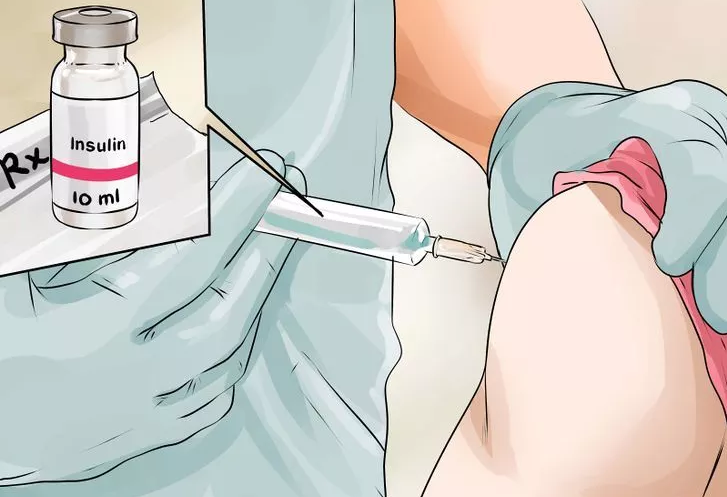
3 Take insulin as directed by your doctor. Insulin is a natural hormone replacement treatment and is a widely used natural treatment for diabetes. It may be necessary to add insulin (by injection) in order to “force” glucose into your cells. Your physician will guide you as to how much insulin to take and how to take it.

Chủ Nhật, 4 tháng 12, 2016

How to Prevent and Treat Diabetes with Natural Medicine - Method1 Using Diet and Nutrition

Diabetes is a condition of chronic hormonal disorders. The main characteristic is high sugar (glucose) in the blood because the cells of the body have become resistant to the action of insulin. Insulin is a hormone made by the pancreas that helps control blood sugar levels. Although it is important to seek medical treatment for diabetes, there are several ways that you can treat and prevent diabetes using natural strategies such as diet modification, herbal supplementation, and exercise.
1 Keep your food as close to its original or natural form as possible. This means that you should try to limit any processed or prepared foods and cook from scratch as much as possible. Avoid boxed, canned, and “ready to eat” foods as much as possible.
·         Start shopping in the bulk section of your grocery store to get a better price for beans, rice, and pasta.
·         Buy fresh vegetables as much as possible. Frozen vegetables are fine, but fresh, organic, in-season vegetables are the best choice.
·         If you are pressed for time, try using a crock pot to cook your meals.
2 Make sure that 90-95% of your carbohydrates are complex carbohydrates.Complex carbohydrates are made up of individual sugar molecules that are strung together in long, complicated and often branched chains.
·         Complex carbohydrates are found in whole, unprocessed foods. Examples of complex carbohydrates include whole grain bread, brown rice, buckwheat, millet, quinoa, oats, starchy vegetables such as sweet potatoes, corn, pumpkin and squash, beans, peas, lentils, nuts and seeds.
·         Avoid simple carbohydrates. Simple carbohydrates include added sugars like glucose, sucrose (table sugar), and fructose (most often added as high fructose corn syrup or HFCS). Consuming HFCS has been associated with increased risk of cardiovascular disease and obesity.
3 Increase the amount of water you drink. Water helps flush out naturally produced toxins and helps maintain mineral (electrolyte) balance. Aim for about eight 8 ounce glasses of water per day. Talk to your doctor to determine if you have any special fluid restrictions or needs that you should consider.
·         Skip sugary beverages. Sugar by itself does not cause diabetes, but ingesting more sugar-filled beverages is linked to an increased risk of Type 2 diabetes.
·         Try drinking water, unsweetened sparkling water, or unsweetened iced tea instead of sugary soda.
4 Read labels on the foods you purchase and eat. Reading labels can help you determine the amount of sugars in food. Just keep in mind that manufacturers are not required to list added sugars. That is why it is best to choose whole, unprocessed foods as often as possible.
·         Avoid any food that includes terms like “enriched” or “refined.”
·         Unprocessed foods do contain some sugar, but it is not found in high levels and it is usually in the form of complex carbohydrates.
5 Watch your serving sizes of complex carbohydrates. Serving sizes vary depending on the type of food and your needs will depend on your weight and other factors such as age, sex, and activity level. A general recommendation is to have 45-60 grams of complex carbohydrates at every meal.
·         Eat most of your complex carbohydrates at breakfast and lunch and only have a small portion of complex carbohydrates for dinner.
6 Add flaxseeds to get more fiber in your diet. Getting enough fiber is essential to preventing and treating diabetes. Flaxseeds are great sources of fiber and they are an excellent source of the essential omega-3 fatty acids, EPA and DHA.
·         In addition to providing essential nutrients that may help to treat and prevent diabetes, flaxseed and the fiber they contain can help with bowel movements and can help you decrease blood cholesterol as well. Flaxseeds are also associated with decreased risk of colon, breast and prostate cancer, and they may also help with menopause symptoms.
·         Try to include a tablespoon of ground flaxseeds at every meal or 3 tablespoons of flaxseed a day.
·         Use a coffee grinder to grind your own flaxseeds or keep pre-frozen ground seeds in your freezer.
7 Eat more fish and skinless poultry. Getting enough quality protein is an important component of diabetes prevention. Make sure that any poultry you eat is skinless to reduce the amount of unhealthy animal fats you consume and eat a couple of servings of wild-caught fish each week.
·         Wild-caught fish such as salmon, cod, haddock and tuna are good sources of omega-3 fatty acids, which are essential to good health.
8 Eat more fruits and vegetables. Eat plenty of non-root or starchy vegetables such as broccoli, leafy greens, cauliflower, and beans. These types of vegetables are low in calories, high in fiber, and nutrient dense. However, when you eat starchy vegetables and root vegetables, you will need to take the carbohydrate level into account.
·         You can also eat fruit. Being diagnosed with Type 2 diabetes does not mean you can’t eat ANY sugars. It is just important to control the amount of sugars that you do eat.
9 Keep a diet diary for at least a month. The diet diary should record everything you eat and any changes in how you feel. Make sure to record the quality of your sleep and make notes about any changes that may be due to the foods you are eating.
·         Keeping a diet diary can also help you to keep track of what and how much you eat during the day. This may make you more aware of what and how much you are eating and help you to cut down on certain foods if necessary.
·         For example, if you find that every time you eat a particular food, you get very gassy and have some bloating, you can avoid that food in the future.
·         Take note of potential food sensitivities. Food sensitivities may make you more prone to obesity and that is a risk factor for diabetes. If you suspect that you are sensitive to some food, eliminate that food for at least two weeks.
·         The most common food sensitivities are to gluten (a protein found in wheat products), dairy products, milk/ lactose, tree nuts, shellfish, eggs and soy.
10 Get your Vitamin D levels checked if you are pregnant. Low Vitamin D levels may be associated with an increased risk of gestational diabetes. Have your Vitamin D levels checked and take supplementation if you are deficient. 1000-2000 IU/day of Vitamin D have been safely used in pregnant women.

·         During sunny days, spend 10-15 minutes in the afternoon sun with some skin on your arms and legs exposed.

Thứ Năm, 27 tháng 10, 2016

3 Ways to Use Cinnamon to Help With Diabetes - Method3 Understanding Why Cinnamon Helps with Diabetes

1 Learn about diabetes. Diabetes is a group of chronic hormonal disorders that results in too much sugar (glucose) in the blood. There are a number of forms of diabetes. Type 1 diabetes is an autoimmune disorder, usually appearing when a person is quite young. Type 2 diabetes is an acquired disorder that used to be considered an adult condition that is unfortunately appearing more and more often in children. Type 2 diabetes is the most common form of diabetes. A third form of diabetes is called gestational diabetes and occurs in the second half of pregnancy and is relatively common, occurring in less than 10% of pregnant women.
  • Some physicians include pre-diabetes as an early form of diabetes. Individuals with prediabetes have higher than normal levels of blood glucose, but not high enough to be diagnosed as diabetics. Individuals with pre-diabetes (also known as insulin resistance) have a very high risk of developing type 2 diabetes.
2 Investigate how insulin affects blood sugar. Insulin, a hormone produced by the pancreas, is the main chemical messenger that “tells” the cells that it is time to take up glucose. Insulin is involved in messaging the liver to take up glucose and transform it into the storage form of glucose known as glycogen. Insulin is also involved in a wide range of other functions like protein and fat metabolism.
  • All diabetics can also be said to have insulin resistance. The reason they have high blood glucose is that the cells in their body do not take up glucose. The reason for this is that the cells in their body do not respond normally to insulin.
  • If the cells become insulin resistant, they “ignore” or can’t respond to the signal from insulin. This can increase the levels of glucose in the blood. When this happens the pancreas responds by producing even more insulin in an attempt to “force” the glucose into the cells. The problem is that since the insulin has no effect on the insulin-resistant cells, the blood glucose levels can keep rising. The body’s response is to convert the high levels of glucose in the blood into fat, and that can set up a scenario of chronic inflammation and other disorders like full blown Type 2 diabetes, metabolic syndrome and heart disease.
3 Understand how Type 2 diabetes functions and its traditional treatment. The most common symptoms of Type 2 diabetes include: increased thirst along with more frequent urination, increased appetite, weight gain or unexpected weight loss, blurry or changed vision, fatigue, and increased number of infections. Type 2 diabetes is diagnosed by your symptoms and a number of specific blood tests that measure how well your body handles sugars.
  • Most cases of diabetes can be controlled with a combination of medications (hypoglycemics -- medicines that lower blood sugars), diet, and exercise. Insulin may be ordered for some patients, especially those with Type 1 diabetes.
4 Find out why cinnamon can help control Type 2 diabetes. Current research indicates that one of the components of cinnamon, methylhydroxychalcone polymer or MHCP, can improve how cells respond to insulin. MHCP seems to mimic some of insulin’s activity. It also appears to work side by side with insulin, by improving the effectiveness of insulin. MHCP also has antioxidant effects, though it is not clear that these have anything to do with the ability of cinnamon to control blood glucose.

Warnings

  •        Do not use cinnamon supplements as a replacement for diabetes medication except under the supervision of a medical professional. Cinnamon supplementation is likely most effective in combination with healthy diet and lifestyle choices and a medical treatment regimen.

3 Ways to Use Cinnamon to Help With Diabetes - Method 2 Adding a Cinnamon Supplement to Your Treatment Regimen

1 Consider taking a cinnamon supplement. If you don't want to add cinnamon to your meals, you can still add it to your diet by taking a supplement. Many health supplement and natural food stores sell cinnamon supplements at affordable prices.
2 Talk to your health professional about adding a cinnamon supplement. While a low-dose cinnamon supplement is unlikely to harm you, your medical advisor may be aware of potential interaction effects with your medications that would make it risky to take cinnamon regularly. It can interact with your diabetes medications, as both the cinnamon and the hypoglycemics work to lower your blood sugar and it is important to be certain that your blood glucose levels drop too low.
  • Keep track of how much cinnamon you are taking and keep track of your blood sugar levels using a home glucose monitor-- you will soon be able to determine how much cinnamon you need to help control your blood sugar.

3 Consider a supplement of 500mg of cinnamon per day. 500 mg of cinnamon taken twice a day has been shown to improve A1c levels (and the levels of blood fats). A1c is used to determine average glucose levels for the previous 3 months, thus lowered A1c levels reflect improved diabetic control.[1]

3 Ways to Use Cinnamon to Help With Diabetes - Method1 Incorporating Cinnamon Into Your Diet

Cinnamon is not only a spice packed with healthful antioxidants. It can also be used to help diabetics control their blood glucose levels. While it should not completely replace other treatments, consult your physician about adding to your treatment regimen.

Method1 Incorporating Cinnamon Into Your Diet

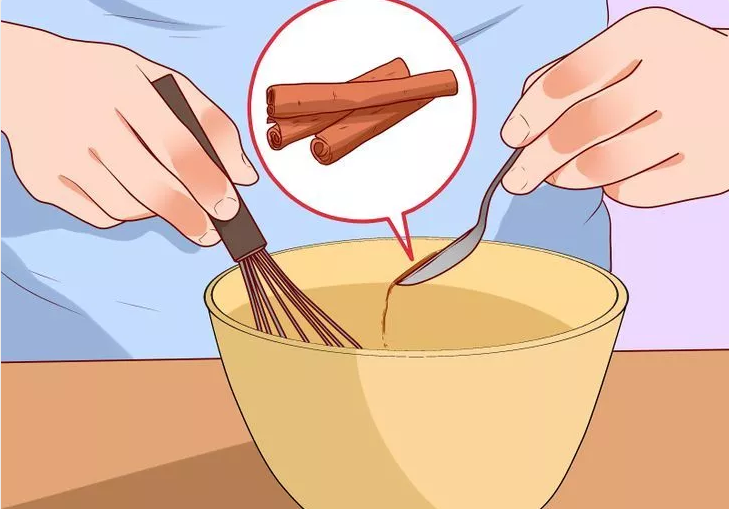
1 Use cinnamon to replace sugar. Because cinnamon is so flavorful, it can often replace small amounts of sugar in stove-top recipes, sauces, meat, and vegetable dishes. Replacing a sweetener with this spice can help reduce the amount of sugar you consume and improve your blood glucose levels.
  • Cinnamon is considered safe when used in the amounts normally found as foods-- this works out to roughly ½ to 1 teaspoon or about 1000 mg per day.
2 Add cinnamon to your breakfast. For instance, stir cinnamon and a small amount of agave nectar into oatmeal in the morning, adding berries and nuts to make it an even more nutritious breakfast. Or top off buttered whole grain toast with a dash of cinnamon and a sprinkle of a crystallized sweetener like Stevia or Splenda.
  • Cinnamon also goes well with peanut butter or sugar-free jam on toast.
3 Use cinnamon in meat sauces. Cinnamon pairs well with poultry, pork, and beef spice rubs as well as Asian-themed dishes, marinades, and salad dressings. Mixing to taste, replace some of the sugar or brown sugar with cinnamon for homemade barbecue sauces, pulled pork marinade, berry compotes, and even marinara sauces.
4 Replace sugar in vegetable dishes. Use cinnamon in place of brown sugar or regular sugar in candied vegetable dishes, such as candied yams, baby carrots, or sweet stir fry. Cinnamon lends a complex, sweet flavor without the spike in glucose.
5 Use cinnamon in baking. Baking is perhaps the easiest way to incorporate more cinnamon into your diet. If you enjoy homemade breads, muffins, breakfast bars, cookies, or pies, cinnamon can be easily added to virtually any recipe you love.
  • Stir cinnamon into baked good recipes. Extra cinnamon mixes best with dry flour, and you should mix thoroughly to prevent clumping. If a recipe already calls for some cinnamon, try doubling the amount or reducing the amount of a spice like nutmeg to replace it with cinnamon.
  • Use cinnamon to dust baked goods. If cinnamon has already been incorporated into a baked good recipe, try using a baker’s brush or sifter to lightly dust the top of the muffin, cake, or bread with cinnamon while it is still warm from the oven.
6 Add cinnamon to sweet and savory canning recipes. Canning fruits and vegetables offers an easy way to sneak cinnamon into snacks and sides that otherwise would be free of cinnamon. When used appropriately, cinnamon can make an excellent addition to sweet and savory canning recipes.
  • Use cinnamon heavily in recipes like apple or pumpkin butter, canned apples, and applesauce.
  • Add a 1/4 teaspoon of cinnamon to each large Mason jar of other fruits, like canned peaches or strawberries.
  • If you are canning or pickling savory foods, consider adding cinnamon with cucumbers, green beans, onions, beets, and even bell peppers.

7 Use cinnamon in drinks. Try adding a little cinnamon to your coffee grounds in the morning to get a cinnamon-flavored cup of caffeine, or mix it into smoothies, diet shakes, and dairy-based blended drinks to get an extra dose of cinnamon in your day.