Tìm kiếm Blog này

Hiển thị các bài đăng có nhãn define type 2 diabetes type 2 diabetes definition symptoms of type 2 diabetes treatment for type 2 diabetes signs of type 2 diabetes causes of type 2 diabetes type 2 diabetes treatment. Hiển thị tất cả bài đăng

Thứ Ba, 1 tháng 11, 2016

How to Lower Blood Sugar - Part3 Other Ways to Maintain Healthy Blood Sugar Levels

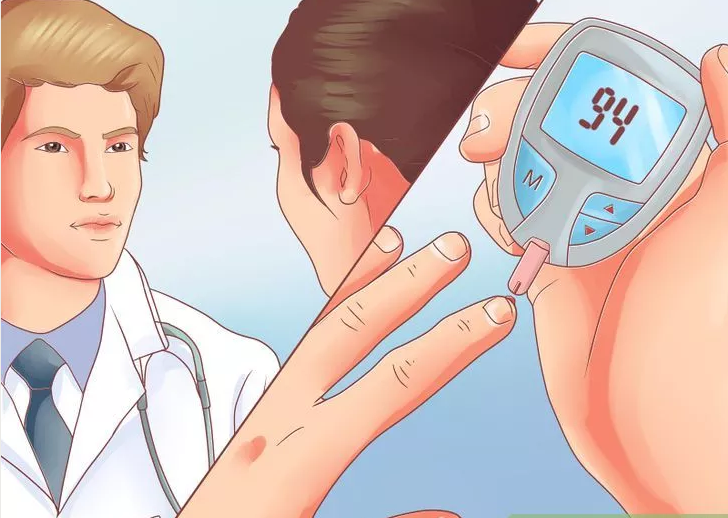
1 Monitor your blood sugar levels. Check with your doctor to determine how often you should do this. Depending on your treatment plan, your doctor will advice you to check your levels either every day or multiple times per week.
  • If you do not have access to medical treatment, you may still be able to find a blood sugar glucose meter or testing strip at a drugstore.
2 Be aware of how, when, and why your blood sugar fluctuates. Even if you follow a strict diet and reduce your consumption of sugar, your blood sugar levels may change unpredictably, especially if you have diabetes.
  • Blood sugar levels tend to rise in the hour or two following a meal
  • Blood sugar levels decrease in the long run through physical exercise, which transfers glucose from your blood to your cells.
  • Female menstrual cycles cause fluctuations in both hormones and blood sugar levels.
  • Almost all medications have an influence on blood sugar levels. Be sure to check with your doctor before beginning any new medication.
3 Manage stress. Chronic stress can release hormones that prevent insulin from working properly. Eliminate stressful aspects of your life if possible, for instance by avoiding arguments or reducing your workload. Combat stress through relaxing exercises such as meditation or yoga.
4 Check with your doctor to determine whether or not you need medication. Some people can manage blood sugar through diet and exercise alone, while others need to be prescribed diabetes medications or insulin therapy.
  • Many doctors advise their diabetes patients to use medication, diet, and exercise to control blood sugar.
  • Insulin injections may also be used to help manage blood glucose levels throughout the day. These can be self-administered at home.
Tips
  •          Age, family history, and race all influence your likelihood of developing diabetes. Elderly people, blacks, Hispanics, American Indians, and Asian-Americans are at a higher risk for diabetes than other members of the population, and should pay careful attention to their blood sugar.
  •          Pregnant women with diabetes should check with their doctors to determine how to alter their diabetes treatment plan during pregnancy.
  •          If you have type 2 diabetes and have issues controlling your blood sugar, ask your doctor about taking insulin injections. Insulin needles are very thin and barely hurt, if at all.
  •          Try eating a source of fat with your meals, such as cheese. Fat slows the digestion of food which causes your blood sugar to be more stable.

Warnings
  •          If you have diabetes, let medical staff and exercise coaches know about your condition before receiving any medical treatment or exercising. Wearing a medical bracelet that mentions your diabetes is recommended.
  •          Do not go on a low-carb diet or skip meals without consulting a doctor or nutritionist. Some dietary plans that sound effective may actually increase your blood sugar or cause other problems. 

Thứ Tư, 26 tháng 10, 2016

How to Gain Muscle With Diabetes - Part3 Staying Safe While Exercising

Part3 Staying Safe While Exercising
1 Monitor your blood sugar. You should continue to check your blood sugar before and after working out, even when you've been exercising for a while. If you being noticing that your blood sugar drops a lot during workouts, you should consult your doctor for the best action to take.[18]
2 Watch for signs of hypoglycemia. Exercise can lead to a sharp drop in blood sugar, or hypoglycemia. This can lead to fainting or a diabetic coma. If you experience any of these symptoms, stop working out immediately and test your blood sugar.[19]
  • Dizziness and confusion.
  • Shakiness and muscle weakness.
  • Extreme hunger.
  • A headache.
  • Irritability.
  • A pounding heartbeat.
  • Pale skin.
3 Keep a source of carbohydrates with you when you exercise. If you feel hypoglycemic, test your blood sugar. If it is too low, take a rest and eat this emergency snack. It will help bring your blood sugar back up and prevent further complications. There are a number of sources of carbohydrates that you could use to treat hypoglycemia.[20][21]
  • A few pieces of hard candy (not sugar-free).
  • 1/2 cup of a soft drink.
  • 1/2 cup fruit juice.
  • 1 cup skim milk.
  • Glucose tablets designed to treat hypoglycemia.
4 Wear a medical identification bracelet. This will let any emergency personnel know that you are diabetic. This is important because if you experience hypoglycemia, you could faint. If first responders know that you are diabetic, they can treat you more effectively. Consider wearing this sort of identification while working out just in case of emergencies.[22]
5 Drink plenty of water. Staying hydrated is an essential part of exercising safely. Be sure to replace all of the water you're sweating out while exercising.[23] Be on the lookout for the following symptoms of dehydration.[24]
  • Dizziness or confusion.
  • Dry mouth and swollen tongue.
  • Fatigue.
  • Decreased or ceased sweating.
6 Check your body for abrasions or blisters after every workout. These minor injuries can be very slow to heal if you have diabetes and could get infected if left untreated. Be sure to inspect your body for any injuries after every workout. Focus especially on your hands and feet, since these will be stressed the most during your workout. If you find one, see your doctor as soon as possible so he can properly clean and wrap the wound.[25][26]

7 Get adequate rest. With or without diabetes, rest is essential for any weight training program. You have to give your body adequate rest time to repair itself after workouts. Otherwise, not only will you not build muscle, but you could seriously hurt yourself. When doing a weight training program, aim to workout every other day. That will allow your body to rebuild its muscles so you build the muscle mass you're looking for.[27]