Tìm kiếm Blog này

Hiển thị các bài đăng có nhãn A balanced diet. Hiển thị tất cả bài đăng

Thứ Tư, 2 tháng 11, 2016

3 Methods to Count Carbohydrates - Method3 Estimating Carbohydrate Amounts

1 Determine the volume of the food item you’re going to eat. If you do not have measuring cups or a food scale handy, such as when you’re dining away from home, you can estimate portions by comparing the size of your food to a common object.
·         An average-sized adult fist, a baseball, and a pint of milk are each about the size of 1 cup. 
·         A child’s fist, a full cupcake wrapper, and a lightbulb are each about the size of ½ cup.
·         A golf ball and a large egg are each about the size of ¼ cup. 
2 Place your measuring device next to the food item. For example, place your fist directly next to the bowl of pasta to estimate how many cups of pasta you have. If the pasta takes up the same amount of space as your fist, you have about 1 cup. Move the food around on your plate if necessary to shape it into the size of your fist to help you better estimate.
3 Find the amount of carbohydrates for your food item. Use a nutritional chart that lists the amount of carbohydrates for commonly eaten foods to determine the amount of carbohydrates for your food item. The USDA makes an online tool that provides nutritional information for many foods. There are also many apps you can download onto a smartphone that provide nutritional information.
·         If you do not have a smartphone or access to the Internet while eating, considering keeping with you a list of the carbohydrate contents of foods you commonly eat. You could print out or write a list to keep in your wallet or purse.
·         Once you make a habit of counting carbohydrates, you will probably memorize the carbohydrate amounts in many of your favorite foods.
4 Calculate the amount of carbohydrates in your portion. Many nutritional guides will list the amount of carbohydrates per cup of food item. Multiply the amount of carbohydrates listed per cup by the amount of your serving size.
·         For example, if you are eating 2 ½ cups of pasta and a cup of pasta contains 45g of carbohydrates, multiply 45 by 2.5 to equal 112.5g of carbohydrates in your serving.
·         If you are eating ¾ cup of pasta, first convert the fraction into a decimal by dividing the first number by the second (3 divided by 4 equals 0.75), and then multiply the carbohydrate amount (45g) by that decimal amount (0.75) to equal 33.75g of carbohydrates in your serving.
Tips
·         Remember that the more fiber your food contains, the less carbohydrate your body will absorb. In fact, fiber helps push food through your body faster to prevent absorption of many substances, even calories.

·         You can purchase nutritional scales that will calculate the carbohydrate content, as well as many other contents such as calories and cholesterol, of different foods using a database contained within the scale (with the expensive model) or from the booklet that comes with the less-expensive model. You simply input the item number from the booklet or select it from the scale’s database and it does the calculations for you. 

3 Methods to Count Carbohydrates - Method2 Measuring Food Without Nutritional Labels

1 Weigh your food item on a food scale. Calculating the total weight of your food item will help you calculate the percentage of carbohydrates. For example, a large apple may weight 200g.
2 Research carbohydrate percentages of your food item. Look up the nutrient listings of your food item online or in a book on nutrition. The USDA has a food composition database that will give you the nutritional information for many different food items. Your doctor or nutritionist may also have pamphlets or brochures to help you research nutritional information for your food item.
3 Subtract the percentage of dietary fiber from the total carbohydrate percentage.If dietary fiber is listed in your nutritional information, subtract that amount from the carbohydrates to calculate the net carbohydrates for that food item. For example, if the food item has 15% carbohydrates and 2% dietary fiber, subtract 2 from 15 to equal 13%.
4 Calculate the percentage of net carbohydrates in your food item. Multiply the total weight of your food item by the percentage of net carbohydrates. For example, if the net carbohydrate percentage for your food is 13% (0.13 in decimal form), multiply the weight (200g) by 0.13 to equal 26g of net carbohydrates.

·         Often, nutritional guides will give you a carbohydrate total that is based on either 100g of the food item. If carbohydrates are listed as the amount per 100g, turn the number into a percentage by multiplying the grams of carbohydrates by 0.01. For example, if your food item has 13 carbohydrates per 100 grams, multiply 13 by 0.01 to equal 0.13 or 13%.

3 Methods to Count Carbohydrates - Method1 Measuring Packaged Foods with Nutrition Labels

Carbohydrates are nutrients that provide an important source of energy for your body. They can come in many forms, the three most common of which are sugars, starches, and dietary fibers. Some people, such as those who are diabetic or otherwise insulin intolerant, must keep track of their carbohydrate intake to remain healthy. There are several methods you can use to count the number of units of carbohydrate that you consume; most of these ways can be done with a few simple household items and a calculator.

Method1 Measuring Packaged Foods with Nutrition Labels

1 Find the total amount of a serving size at the top of the nutrition label. Product labels give nutritional information based on serving size, not the entire contents of a package. Serving size is generally listed in both volume amounts and weight measurements. The weight is usually listed in parentheses next to the volume amount. For example, 1 cup of this product weighs 250 grams.
2 Measure out the amount of food you are going to consume. If you have a food scale, use the weight amounts rather than the volume amount to get a more accurate measurement. If you do not have a food scale, use measuring cups and spoons to get as accurate a measure as possible.
·         If you are using a food scale, you may need to use a bowl to contain the food you are weighing. Weigh the bowl empty first. Write down the weight of the empty bowl and subtract that amount from the total once you have added the food.
3 Divide the amount of your portion by the volume or weight per serving listed on the label. Doing this will give you the number of servings you will consume. For example, if your food weighs 500g, divide by 500 by 250 (the weight of each serving) to calculate that you will be consuming 2 servings. Similarly, if you have measured out 2 cups of food, divide by 1 to calculate that you will be consuming 2 servings.
·         Many labels will list the volume of serving sizes in fractions, such as ½ cup. To convert fractions to decimals for easy entry on your calculator, divide the first number of the fraction by the second number. For ½ cup, take 1 divided by 2 to equal 0.5. If you have measured out 2 cups of food with a serving size of ½ cup, divide 2 by 0.5 to equal 4 servings.
4 Read the carbohydrate content from the label on the food you are going to eat.For example, if the product label lists 20g of carbohydrates, that means there are 20 grams of carbohydrates per serving size.
5 Subtract the dietary fiber from the total carbohydrate amount to calculate the net carbohydrate amount. Fiber takes a long time for your digestive system to process and, as a result, much of the fiber you eat is not digested before it passes out of your body. Because it is not digested, fiber has little impact on your blood glucose levels and should not be counted towards your carbohydrate total.
·         Dietary fiber is often listed separately on a nutrition label, just below the total carbohydrates line.

6 Multiply the total number of servings you are going to eat by the net carbohydrates per serving amount. For example, there are 20g of carbohydrates per serving. Multiply 20 by 2, the number of servings you are going to eat, to equal 40. You will be consuming a total of 40g of carbohydrates with the serving size you measured out.

2 Methods to Lower Blood Sugar With Diet - Method2 Planning Things Out

1 Know how many calories you should consume per day. Ingesting the correct number of calories may prevent you from taking in excess food that can lead to excessive sugar entering your blood.
·         Consume 1,200 to 1,600 per day if you are a small woman, a medium-sized woman who wants to lose weight, or a medium-sized woman who does not exercise much.
·         Consume 1,600 to 2,000 calories per day if you are a large woman who wants to lose weight, a small man, a medium-sized man who does not exercise much or wants to lose weight, or a large man who wants to lose weight.
·         Consume 2,000 to 2,400 calories per day if you are a medium to large man who exercises a lot, a large man at a healthy weight, or a medium to large woman who exercises a lot.
2 Make substitutions. Instead of completely altering the way you eat, substitute healthier choices in place of those that could raise your blood sugar.
3 Count your carbohydrates. In particular, count the refined carbohydrates you're consuming, such as white flour baked products, sugary cereals and fried foods. Carbohydrates have a greater impact on your blood sugar levels than anything else because they break down into glucose, very quickly.
For more information on how to count carbohydrates, check: 3 Methods to Count Carbohydrates
4 Check the glycemic index. The glycemic index ranks carbohydrates based on how much they raise blood sugar levels after consumption. Foods with a low GI rating are less likely to raise your blood sugar than those with a high rating.
·         Be aware that the glycemic index may not catch all sources of sugar beyond glucose. Other sugars, such as fructose and lactose, add to your blood sugar load.
Video

Tips
·         Walk a lot. Exercise helps your dietary measures by increasing your metabolic responses and keeping you fit. Walking is an ideal method of exercise for every person. If you are diabetic, your doctor must guide you in how to make sure you have enough blood sugar to deal with vigorous exercise. Once you have established a routine of exercise, you will know better how to maintain a balance of foods and medication that will allow you to exercise moderately as part of your blood sugar regulating plan.
·         Leave the skin on fruits and vegetables where possible, as most of the nutrients tend to be found just under the skin and peeling can remove this. Also, if steaming or boiling vegetables, try to reuse the water as soup or in a stew or sauce, to capture the vitamins that end up in the water. Eating salad vegetables raw will ensure that you get many unspoiled vitamins in your diet––just be sure to wash well first.
·         Talk to your doctor before significantly altering your diet. Your doctor can work with you to determine the healthiest plan to suit all your dietary needs and can steer you away from choices that may negatively affect your health.
·         The whole family can eat the same healthy foods; there is no need to single yourself out. Everyone benefits from the same healthy and nutritious meals eaten together.
Warnings

·         Do not reduce your blood sugar levels down to nothing. An excessively low blood sugar level can be just as dire to your health as an excessively high level. Once your are clinically tested and found to have one of the range of conditions called "Diabetes", it generally means that your body's automatic sugar-regulation process (the Endocrine system) is not functioning well, so that you must partially take charge of regulating it. Just as too much blood sugar (and sugar in the diet) is bad, so is too little blood sugar. This is why we've suggested legumes and lentils in your diet. These foods are converted into blood sugar much more slowly, and supply a trickle of energy for a longer period of time, which is ideal. The three things a Diabetic person uses to balance his or her blood sugar are: diet, exercise, and medication. All three must be used in a good balance.

Thứ Ba, 1 tháng 11, 2016

How to Lower Blood Sugar - Part2 Lowering Blood Sugar through Exercise

1 Consult a doctor about an exercise plan. While the following steps describe actions that are generally helpful for people with high blood sugar and associated health problems, they will not be as effective as specific recommendations tailored to your health problems and characteristics.
·         Visit your doctor or doctor-recommended nutritionist regularly to check on progress and keep an eye out for possible health problems that result from high blood sugar.
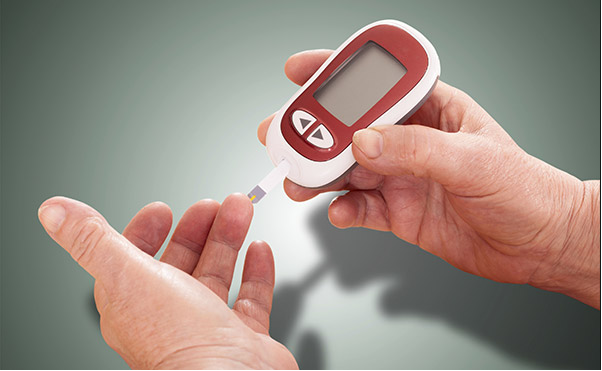
2 If you have diabetes, check your blood sugar levels before and during exercise.While exercise reduces blood sugar in the long run, it can actually increase your blood sugar in the short term by encouraging your body to produce glucose (sugar) to fuel your muscles.If you have diabetes or other health issues that require testing your own blood sugar, it's important to check your blood sugar levels before you begin exercising and about every 30 minutes during exercise.
  • A doctor or drugstore may be able to provide you with a blood glucose meter or testing strip for testing your blood sugar.
3 Decide how to exercise based on the results of your blood sugar test. If you are diabetic, it's important to adapt your exercise routine to the results of a blood sugar test, as mentioned above. Decide whether exercising is safe at this time using these instructions, or the instructions your doctor provides for your specific case:
  • If you blood sugar is lower than 100 mg/dL (5.6 mmol/L), raise your blood sugar before exercising. A small snack containing carbohydrates should accomplish this, such as fruit or crackers. If you do not eat any carbohydrates and exercise anyway, you risk experiencing shakiness and anxiety, falling unconscious, or even entering a coma.
  • If the test result is between 100 and 250 mg/dL (5.6–13.9 mmol/L), no action is required unless your doctor instructed you otherwise. Continue to exercise.
4 Perform a ketone test if your blood sugar is above 250 mg/dL (13.9 mmol/L). If you are diabetic, and especially if you have type 1 diabetes, you should not exercise when blood sugar is high without first testing for ketones. These are substances that cause serious health problems if they build up, and exercising might increase their levels. Test your urine for ketones using as ketosis test strip from a drugstore, following the instructions carefully. Do not exercise if ketones are present, and test regularly if ketone levels are moderate or high. Seek medical attention immediately if you have very high ketone levels or if the ketone levels don't drop after 30–60 minutes.
  • If your blood sugar is higher than 300 mg/dL (16.7 mmol/L), do not exercise. Wait for 30–60 minutes without eating, and test again to see if your blood sugar has dropped to a level that is safe for exercising. Let a doctor or nurse know if you experience this high level of blood sugar frequently or for several hours at a time.
5 Perform frequent, moderate exercise. Exercise helps convert glucose into energy, makes your body's cells more sensitive to insulin, and reduces excess fat, which is associated with high blood sugar. The more active you are, the less likely you are to have problems with high blood sugar.
  • Aim for at least 30 minutes of moderate exercise a day, for at least 5 days a week. In total, you should exercise 150 minutes or more each week.
  • Try to find an exercise that you enjoy; this way you will be more likely to stick with it in the long run. Fast walking, swimming laps, or bicycling are common choices.
6 Stop exercising and call a doctor if you experience pain or blisters. If you have diabetes or are at risk for diabetes, keep an eye out for signs that the exercise may be causing health problems. If you feel faint, have chest pain, suddenly feel short of breath, or notice blisters or pain in your feet, stop and call your doctor.

How to Lower Blood Sugar - Part1 Lowering Blood Sugar through Diet

High blood sugar is most commonly caused by diabetes, which should be managed and treated carefully under a doctor's supervision. However, there are many actions you can take to reduce your blood sugar to healthy levels. Moderate exercise and reasonable dietary changes are great for reducing blood sugar, but they are best achieved with the guidance of a medical or dietary professional who is familiar with your medical history.

Part1 Lowering Blood Sugar through Diet
1 Reduce your intake of sweets, animal products, and refined carbohydrates.Your doctor should be able to recommend a diet more specific to your needs, as there is no single perfect diet for people with high blood sugar or diabetes. However, if you have high blood sugar, it is usually a good idea to lower the amount of meat, dairy, white bread, white rice, potatoes, and sugary foods you consume.
2 Eat more fruits, vegetables, and whole grains. These foods, and other foods high in fiber and moderate in fat, are recommended for people with high blood sugar. Whole grains may not be appropriate for every person with high blood sugar, so consult your doctor before making them a major part of your diet.
  • Fresh apples, dried apricots, or peaches canned in juice or water are good choices. Avoid canned or frozen fruits that have added sugar.
  • At least 3 cups (700mL) of raw vegetables or 1.5 cups (350mL) cooked vegetables every day are recommended. Try artichokes, cucumbers, or salad greens. Fresh vegetables are better than frozen or canned ones, which sometimes have added sodium.
  • Oatmeal and barley are especially good whole grain options for most people with high blood sugar.
  • Note that eating too many carbohydrates can increase your blood sugar and cause obesity.
3 Look up foods you're not certain about. If you are not certain whether a food is harmful, ask a doctor or look up the food on a glycemic index, which gives a rough idea of its effect on blood sugar (but not its overall healthiness). "High glycemic" foods with a Glycemic Index rating of 70 or above should be avoided if you have high blood sugar. Replace these with "low glycemic" foods (GI rating 55 or below), such as the foods recommended above. Foods with a rating between 55 and 70 have a "medium" rating, and can be eaten in low to moderate amounts depending on your needs.
4 Cut down on tobacco and alcohol. If you use these substances daily or imbibe them in large quantities, you could be seriously affecting your body's ability to produce insulin, which breaks down sugar in your bloodstream. If you are trying to quit smoking, realize that products containing nicotine may cause similar effects. Nicotine patches or gum may be used as a temporary replacement, but should not be treated as a long term solution if you are concerned about high blood sugar.

5 Be skeptical about specific food claims. Newspaper headlines often make claims about managing blood sugar or other health issues with common foods, but these are not always backed up by high-quality medical studies. Studies of coffee have produced contradictory results, so its overall effect on blood sugar is unclear. One study of cinnamon found possible benefits, but only a small group of similar people were tested. All of them were people over 40, with type 2 diabetes, who were not using insulin therapy or taking medications for health conditions other than diabetes.Even if a claim seems reasonable to you, realize that one food item is never a replacement for exercise, other dietary changes, or medical treatments.

Thứ Hai, 31 tháng 10, 2016

3 Method to Avoid High Blood Pressure - Method3 Managing Stress

1 Identify different areas of stress in your life. Blood pressure is directly impacted by stress. When you’re in a stressful situation, your blood pressure is increased by a sudden increase in hormones.[21] It is important to note what triggers stress for you so you can work on managing it. Some common stresses include job loss, death, marriage, and moving.
2 Reduce or eliminate stresses through physical activities. Yoga, meditation, and deep relaxation techniques can all help lower your stress levels. Yoga and meditation also not only relax you and strengthen your body, but also may lower your systolic blood pressure by 5 mm Hg or more.
·         Yoga: Yoga consists of a series of movements or postures that increase strength and flexibility. Another part of yoga is controlling your breathing, which helps to quiet your mind and control your body.
·         Meditation: Meditation involves focusing your attention and eliminating thoughts that may be cluttering your mind, which may result in physical and emotional well-being improvements.
·         Deep Relaxation: Deep relaxation includes controlling your breath as well as contracting and relaxing different muscle groups, leading to a more calm state of mind.
3 Learn effective mental stress coping techniques. We all handle stress in different ways; however, some ways like overeating work against lowering blood pressure. More helpful methods include positive reframing, seeking support, problem-solving, and adjusting expectations.
·         Positive reframing: Note the positive or upbeat aspects of the situation.
·         Seeking support: Ask for help or emotional support from friends, family members or medical professionals.
·         Problem-solving: Find the source of the problem and determine a solution.

·         Adjusting Expectations: Change your anticipated outcomes as different scenarios unfold.